
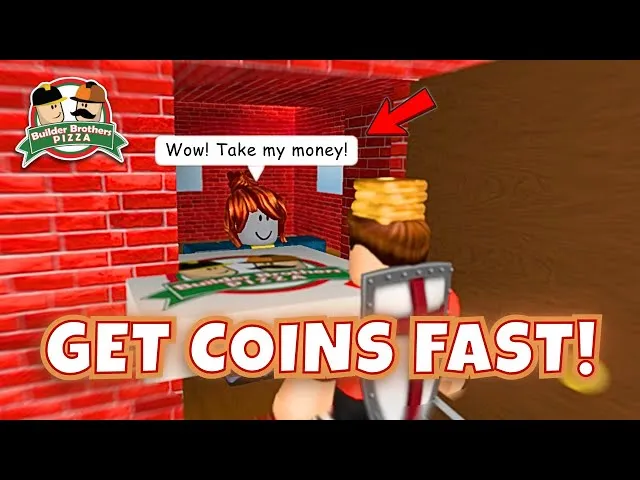
Work at a Pizza Place throws every player straight into a functioning pizza shop, so the difference between grinding for an hour and banking serious coins comes down to knowing the pipeline before you click your first oven. This work at a pizza place ultimate guide walks through the whole loop — from choosing a job that fits your playstyle to squeezing the star pay system, double time, and neon time for maximum payouts. The game has been live since March 2008 and recently crossed 5.58 billion visits on its official Roblox page, so a tight strategy matters more than ever in 2026.
Picking Your First Job and Reading the Pay System
Before you chase a paycheck, you need to understand how the pay system in this game actually works, because every job feeds into a single shared economy. According to the community wiki's paycheck page, coins come from two streams: work paychecks (every 15 minutes during a shift) and a daily check that drops once per 24 hours. Work checks pay out based on the number of pizzas and Fizzly drinks the server delivers, not on how hard any individual player worked, which is why coordination across roles is the single biggest factor in earnings.
Star Rating and the Pay Multiplier
The star rating floats above your head and quietly controls your entire payout. Based on the community job reference, the four tiers are 0 stars, 1 star, 2 stars, and 3 stars, and they map to a clean coin multiplier that most players underestimate on day one.
| Star Level | Pay Multiplier | Practical Effect |
|---|---|---|
| 0 stars | 0% | Zero earnings — idle penalty |
| 1 star | 30% | Starter tier, severe haircut |
| 2 stars | 80% | Strong middle tier |
| 3 stars | 100% | Full payout cap |
The 30% gap between 1 and 2 stars is the single largest jump in the entire game, so the priority ladder for any new player is simple: keep your hands moving, avoid the break-room trap, and protect your star rating. The 2-star ceiling already unlocks 80% of full earnings, which makes it a realistic short-term target for a first-week player before grinding toward the 3-star cap.
Which Job Should You Start On?
Every role is available from the lobby, so the question is not access but fit. New players tend to learn fastest on the Cashier because it forces basic movement and exposes you to order patterns, while experienced earners usually rotate into Cook or Pizza Boxer for the steady rhythm. The full role list and the best fit per personality type are covered in the work at a pizza place jobs breakdown, which is a natural companion read before you commit to a shift.
The Full Pizza Pipeline: Order to Delivery
A single pizza moves through six stages, and the speed of every handoff is what separates a starving team from a payout-rich one. The order flows from the customer's table to the cashier, into the dough station, through the topping area, into the oven, then to the boxing counter, and finally onto a delivery run. Every stage has a soft timer, and any stall cascades into the next station, which is why pipeline discipline matters more than raw speed at any single role.
Cooking and Boxing Speed
The oven and boxing station are the two mechanical bottlenecks of the whole restaurant. When you stand at the dough press, every second you wait to tap a button is a second the entire line stalls behind you, so a good Pizza Boxer will rhythm-tap rather than react-tap. The community reports that the most efficient players internalize a cadence where they pre-position their cursor over the next button before the previous one finishes animating, which is a habit that adds up to two or three extra pizzas per shift.
Server, Supplier, and Manager
The Supplier quietly controls whether your kitchen even has ingredients, because empty shelves stall every downstream role. A good supplier scans the kitchen on a short loop and tops off flour, sauce, and cheese before the line notices. The Server carries the actual payout, since coins are awarded per delivered pizza and per Fizzly drink, and the Manager role mostly exists to handle table seating and customer flow. A team that rotates fresh suppliers every 20 minutes tends to out-earn a static team by a comfortable margin, simply because a bored supplier starts idling.
Money Events: Double Time and Neon Time
Events are where the work at a pizza place best strategy stops being about grinding and starts being about timing. The server pays a flat coin value per order, but two scheduled events change the value of every pizza and drink on the board. These windows are short, predictable, and absolutely mandatory for any player chasing the daily cap.
Double Time Mechanics
During Double Time, every normal order is upgraded to gold value, which doubles the coin payout across the entire shift. According to community data summarized in the double time guide, this event fires roughly every 30 minutes, so the optimal play is to stay clocked in through at least one window rather than chasing short shifts.
| Event | Normal Orders | Gold Orders | Neon Orders |
|---|---|---|---|
| Regular shift | 10 coins | 20 coins | 100 coins |
| Double Time | 20 coins | n/a | 100 coins |
| Neon Time | 100 coins | 100 coins | 100 coins |
Neon Time and VIP Multipliers
Neon Time is the rarer and more powerful of the two, because it converts every order on the board to neon value at 100 coins apiece, regardless of type. A player who times a 15-minute paycheck cycle inside a Neon window can multiply their work check by up to 10x compared to a normal-hour run, which is why serious earners plan their entire play session around the schedule. The neon time guide covers exact trigger windows and Robux-purchasable boosts that let paying players stack the effect.
VIP players stack a separate bonus on top of all of this. According to the community paycheck data, VIP adds +50% to work paychecks and +100% to daily checks, which means a VIP player inside a Neon window is pulling roughly 2.5x what a free player pulls in the same stretch. The full perk list and whether VIP is worth the Robux for a casual earner is detailed in the VIP perks overview, which is worth reading before you commit to the gamepass.
Progression and Long-Term Earning Strategy
Climbing the leaderboard in this game is not about a single hot shift; it is a weeks-long progression loop built around the star pay system, events, and house upgrades. Once the basics of a clean pipeline are second nature, the real question becomes how to turn consistent play into compounding payouts.
Daily Routine for Maximum Coins
The best earners share a remarkably boring routine, because consistency beats bursts every time. A strong daily loop looks like: claim the daily check the moment you load in, work one full 15-minute paycheck cycle during a scheduled event window, and complete the cycle with a short delivery burst. Players who skip the daily check lose roughly 500 starter coins a day for no reason, which is the most common and most fixable leak for new clerks.
| Routine Step | Coin Value | Why It Matters |
|---|---|---|
| Daily check claim | 500 base + VIP 100% | Free money, only once per day |
| Work through 1 event | 2x to 10x normal | Stacks the most efficient window |
| Supply a full shift | Indirect multiplier | Prevents stalls, keeps stars up |
Stars, Breaks, and the Idle Trap
The single fastest way to lose your star rating is to take a break without clocking any work first, which according to the community wiki entirely removes you from that paycheck cycle. New players often assume the break room is free downtime, but the real economy punishes you for it. A safer pattern is to work at least one full paycheck cycle, then take your break, then return for another cycle, which keeps your star multiplier intact.
House Upgrades and Long-Term Wealth
Coins eventually leave the kitchen and move into your personal house, where furniture and a second housing slot become the long-term grind. Once the work at a pizza place explained fundamentals click, players shift their goal from "earn coins" to "spend coins efficiently," and the furniture and housing guide covers the catalog priorities and the second-slot unlock path. A second house slot is the single biggest long-term quality-of-life unlock in the game, because it lets you store event-furniture sets without having to sell them.
Frequently Asked Questions
What is the best job for new players in this game?
Cashier is the best starter job because it teaches order flow without punishing small mistakes, and it lets you watch the rest of the pipeline until you feel comfortable rotating. Once the rhythm is clear, switching to Cook or Pizza Boxer gives a steadier per-minute payout because those stations scale with shift length rather than with customer volume. A full role-by-role breakdown lives in the every job explained page.
How does the star pay system actually work?
Your star rating is a live multiplier on every paycheck you receive, with 0 stars at 0%, 1 star at 30%, 2 stars at 80%, and 3 stars at 100%. You lose stars by idling or breaking before working, so the cleanest way to stay at 3 stars is to keep your hands busy at a station and avoid the break room until after you have completed at least one paycheck cycle.
When do Double Time and Neon Time fire?
Double Time fires roughly every 30 minutes during a shift, while Neon Time is rarer and is the highest-value event in the game because every order becomes a 100-coin neon order. Serious earners plan their entire session around catching at least one event window, since a single Neon paycheck can out-earn an entire normal-hour stretch of grinding. The full schedule and stacking tips are in the neon time explainer.
Is the VIP gamepass worth the Robux?
VIP is worth it for any player who plans to play more than a handful of shifts per week, because the +50% work paycheck and +100% daily check bonuses compound fast over a month. A casual player who logs in once a week will not earn the Robux back, but a daily grinder breaks even inside a few weeks of consistent play. The full cost-benefit math is detailed in the VIP worth-it guide.
What is the fastest way to get rich in this game?
Stack a full 15-minute work paycheck cycle inside a Neon Time window while running a VIP paycheck bonus, and your per-minute earnings roughly triple compared to a normal-hour grind. Combine that with a clean star rating at 3 stars, a reliable supplier on rotation, and a daily check claimed every login, and you have the most efficient loop the game currently allows.