
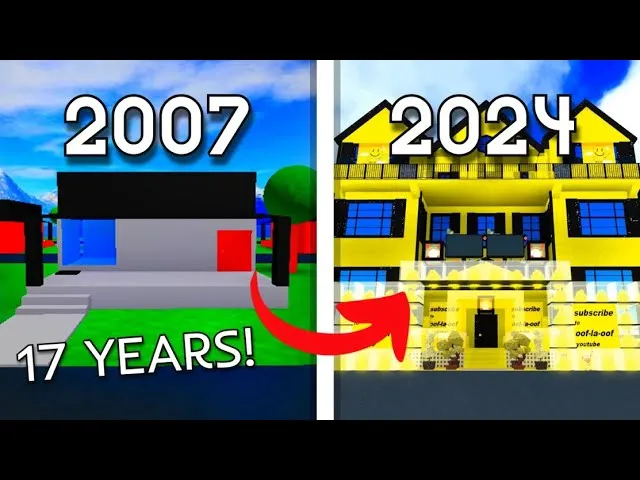
The Work at a Pizza Place mansion furniture cap of 800 pieces is the single biggest planning constraint every serious house decorator eventually bumps into, and the players who treat the cap as a design budget rather than a wall tend to walk away with a much more impressive build. The mansion itself is the priciest classic property, the estate upgrade pushes you toward the modern line that adds a garage, and the attic slots give you one final layer of cosmetic depth before everything stops accepting new items.
The trick is layering the three discount systems inside the housing economy: the Dump's rotating deep discounts, the sell-back refund on unwanted furniture, and the second-house slot that lets you offload overflow without trashing your main layout. The mansion guide lays out the raw coin cost, while the deep-dive below focuses on how to actually clear the 800-piece ceiling without leaving a single high-value item on the floor.
Understanding the 800-Piece Furniture Cap
The mansion accepts up to 800 furniture pieces before the game stops registering new drops, and that figure is the total across every wall, floor, ceiling and shelf surface, not per-room. Community data pulled from the Work at a Pizza Place house wiki shows that even veteran decorators routinely hit the cap with twenty to thirty percent of the build still unfinished, simply because they placed bulky items first and filled detail slots last.
Why the Cap Exists and What Counts Toward It
The cap is a hard performance limit, not a player progression lock, because the Roblox client has to render every prop, every decal, and every shadow for every player who visits. Wall-mounted items, floor rugs, ceiling fans, tabletop decorations and shelf trinkets all count as one piece each, while grouped catalog items like the Sectional Sofa Set register as multiple pieces depending on the number of seats and ottomans inside the bundle. Stacked items — a plant on a table on a rug — count three times, which is where most new decorators get blindsided.
The cap is per-house, not per-account, so owning a second house slot effectively doubles your decorative budget. The furniture guide explains how to unlock the second slot and which items transfer between houses automatically.
The Mansion vs. the Estate vs. the Modern Line
The classic housing ladder runs Starter House, Suburban, Two Story, Three Story, Mansion, and finally the Estate which is the bridge into the modern line. The mansion is the last purely classic property; the estate is technically a classic shell with a modern yard and an attached garage. Once you own the estate, you can transition into the Tiny Modern, Small Modern, and Small Modern with Garage variants.
| House Tier | Approx. Coin Price | Wall Capacity | Floor Slots | Garage Slot | Best For |
|---|---|---|---|---|---|
| Suburban | ~25,000 | 120 | 80 | No | First serious decor |
| Two Story | ~120,000 | 220 | 150 | No | Vertical builds |
| Three Story | ~400,000 | 360 | 240 | No | Staircase galleries |
| Mansion | ~1,200,000 | 520 | 380 | No | Cap-of-800 anchor builds |
| Estate | ~3,200,000 | 600 | 440 | Yes | Bridge to modern line |
| Modern Garage | 600,000 + Estate | 700 | 500 | Yes (large) | Vehicle showcase |
The Work at a Pizza Place mansion furniture cap of 800 pieces is set above the mansion's natural wall-plus-floor total of 900 slots, which means you can fill the whole house with about one hundred pieces of headroom for attic and ceiling decor. The estate, by contrast, hits the cap faster because the garage is included in the count.
The Dump: Where the Real Discounts Live
The Dump is the housing catalog's rotating secondary shop, and it is the single biggest reason a mid-budget player can keep up with decorators who spend Robux on coin packs. Community reports describe the Dump refreshing its stock on a roughly two-hour timer, with each cycle offering between six and twelve catalog items at deep discounts. The discounts are not random — every item in the Dump sits somewhere between 60% and 95% off its Large Catalog price, and the deeper discounts cycle through rarer items less often.
Reading the Dump Refresh Cycle
The Dump's stock pool draws from a much larger internal list than what is visible at any one moment, so the same item you missed at 90% off this morning might come back at 70% off three cycles later. According to community testing, the first refresh of the day tends to stock more high-value items, while late-evening cycles skew toward cheap filler that experienced decorators skip. The most efficient Dump strategy is to log in, check the stock, and leave if the cycle is poor — the timer is short enough that another window opens before a full work shift ends.
| Item Tier | Large Catalog Price | Typical Dump Price | Discount Range | Refresh Frequency |
|---|---|---|---|---|
| Common decor (plants, basic chairs) | 50-200 | 10-30 | 80-95% | Every cycle |
| Mid-tier sets (sofa sets, dining tables) | 800-2,500 | 200-700 | 60-80% | Every 2-3 cycles |
| Premium wall sets (bookshelves, murals) | 3,000-8,000 | 800-2,000 | 60-75% | Every 6-8 cycles |
| Signature items (chandeliers, pianos) | 10,000+ | 1,500-4,000 | 60-70% | Once or twice per day |
| Vehicle bundles (jeep, scooter) | 25,000-80,000 | 8,000-30,000 | 50-70% | Rare, watch for cycles |
A 90% off Dump find is the equivalent of roughly ten shifts of cashier work for a single furniture item, which is why serious decorators treat the Dump check as a fixed appointment rather than a casual browse. Players who run full work rotations before checking the Dump often log out with a thousand coins left over, and that leftover is what most Dump-savvy players convert into one high-value item per shift rather than five mediocre ones.
Stacking the Sell-Back Refund
The housing system lets you sell any furniture item back for 25% of its original Large Catalog price, regardless of whether you bought it from the Dump or the main shop. The refund is the second layer of the discount system: a player who buys a Dump item at 90% off can resell it later for 25% of the original sticker price, so the net cost of "trying" a new item is only a few percentage points above the Dump price itself.
The dump selling guide walks through the exact refund math and flags the small set of items whose sell-back value actually exceeds the Dump price, which happens when an item was originally a low-cost catalog piece that ended up in a deep-discount cycle. Those mispriced Dump items are the closest thing the housing economy has to a free item, and a patient player can flip two or three per day into a slow trickle of pure profit.
Attic, Garage and the Jeep Estate Layer
The mansion tier is the last property before the estate, and the estate is the property that unlocks the modern line — and the modern line is what introduces the garage, the jeep, and the second wave of premium decor. The Work at a Pizza Place jeep estate is technically a vehicle bundle tied to the estate's garage slot, and a player who owns both the estate and the jeep can park the vehicle inside the garage and decorate around it.
The Attic as a Premium Slot
The attic is unlocked after the mansion purchase, and it adds roughly 80 additional wall slots plus a flat floor plane that can hold another 40 items. The attic is also where wall-mounted collectibles and signature ceiling decor go, because the slanted roof hides clipping issues that show up in main-floor rooms. The 800-piece cap does not differentiate between floors, so the attic draws from the same pool as the rest of the house.
A practical attic build is to dedicate the entire space to a single theme — a library, a trophy room, or a star-watching loft — and treat the slot count as a fixed budget. The attic guide angle most experienced players recommend is to keep attic decor at about 120 pieces so the main house keeps roughly 680 pieces of headroom, which leaves breathing room for the second-house slot overflow.
The Garage, the Jeep and Why the Estate Matters
The garage is the modern line's defining feature, and it only exists on the Small Modern with Garage and the estate's attached garage slot. The garage adds roughly 60 wall slots and a wide floor plane that can fit one vehicle plus a workshop setup. The jeep is the most common vehicle in the housing economy because it shows up in Dump cycles more often than the scooter, the sports car, or the truck.
| Modern Line Stage | Coin Price (on top of Estate) | Garage Slots | Vehicle Fit | Decorative Headroom |
|---|---|---|---|---|
| Tiny Modern | 250,000 | No | None | 180 pieces |
| Small Modern | 450,000 | No | None | 320 pieces |
| Small Modern + Garage | 600,000 | Yes (large) | Jeep, scooter, truck | 400 pieces + 60 garage |
The Work at a Pizza Place garage guide, as far as community resources document, centers on the trade-off between using the garage as a vehicle showcase and converting it into a workshop with workbenches, tool walls, and storage racks. The jeep is a popular garage anchor because it visually fills the bay, but a player who flips the jeep for a 25% sell-back can repurpose the slot into three or four workshop stations that look denser on tour.
Working at a Pizza Place the Dump Guide for Vehicle Hunters
The Dump is also where most decorators source their first vehicle, because the Large Catalog vehicle prices sit in the tens of thousands while Dump cycles occasionally drop the jeep into the 8,000-15,000 coin range. The community "work at a pizza place the dump guide" pattern that gets passed between players is to wait for a Dump cycle that shows both a vehicle and a matching wall set, then buy both in the same pass to save the second trip.
Stretching the 800-Piece Cap: A Practical Build Plan
The cap is not the enemy — the cap is the design brief. A build that uses all 800 slots deliberately will look more cohesive than a build that fills 500 slots and leaves the rest empty, because empty space in a 500-slot build reads as "in progress" while deliberate spacing in an 800-slot build reads as "curated." The plan below maps out how to allocate slots by room and theme, and how to keep the design flexible enough to accept Dump finds without breaking the layout.
Phase 1: Anchor the Big-Ticket Items First
Buy the largest signature items — the sectional sofa, the dining table set, the king bed, the grand piano — before any detail decor goes down. These items typically consume 3-8 pieces each and they dictate the room's traffic flow. A mansion with a sectional in every room burns through roughly 120 pieces on seating alone, which is why the first phase is a budget check, not a decoration pass.
A common beginner mistake is to start with rugs and wall art because those items are cheap, and then run out of cap space before the major furniture arrives. The Dump is most useful for buying the detail layer cheaply, so save the cap for the anchor layer that you can only afford at full price or via Dump.
Phase 2: Theme the Walls by Room
A mansion has roughly ten distinct rooms (kitchen, dining, living, two bedrooms, two bathrooms, study, attic, garage entry, and balcony). Dedicate each room to a single color and material palette so the wall sets you buy at full price can be reused without clashing. The house design ideas collection walks through specific palettes that hold up under the 800-piece load.
| Room | Recommended Wall Set | Slot Budget | Anchor Items |
|---|---|---|---|
| Living | Modern panelling | 80 | Sectional, coffee table, TV stand |
| Dining | Wood wainscoting | 70 | 6-chair dining set, chandelier |
| Kitchen | Tile backsplash | 60 | Island, bar stools, fridge |
| Master bed | Soft fabric panels | 60 | King bed, dressers, bedside lamps |
| Study | Built-in bookshelves | 90 | Desk, chair, lamp, bookshelf walls |
| Attic | Exposed beam | 120 | Loft bed, telescope, plant wall |
| Garage entry | Brick or metal | 60 | Tool wall, shoe rack, mirror |
The slot budget above sums to 540 pieces, leaving 260 pieces for ceiling decor, outdoor items, the balcony, and the overflow into the second house slot. That buffer is the difference between a build that breathes and a build that crowds the cap.
Phase 3: Run the Dump for Detail Layer Items
With the anchors and walls in place, the Dump becomes a pure detail-layer source. The detail layer includes rugs, table-top items, wall art, plants, lamps, and small appliances, and these are exactly the items the Dump discounts most aggressively. A patient decorator can fill the remaining 260 slots for under 40,000 coins if they wait for the right cycles, while an impatient decorator who buys everything at Large Catalog prices can easily spend 300,000 coins on the same layer.
The dump selling guide covers the flip side of this equation — which items to sell back when a Dump cycle misses and you already own the full-price version.
When to Stop Decorating and Start Refunding
The cap is also an exit signal. Once you cross 750 pieces, the marginal value of each new item drops sharply because visitors to your house spend most of their attention on the first two rooms they enter and the attic. A clean 750-piece build reads better than a cluttered 800-piece build, which is why experienced decorators deliberately stop short of the cap and use the leftover coins to fund the next house upgrade or the next Dump cycle.
The Work at a Pizza Place 800 furniture pieces ceiling is generous enough that a single house can carry a full design vision, but the players who treat it as a hard ceiling rather than a target end up with a tighter visual identity. The dump selling guide's core advice — sell back the filler, keep the anchors — applies just as cleanly to the cap as it does to a tight coin budget, and the second-house slot is the safety valve that lets you experiment without committing the mansion to a bad layout.
A second house slot is unlocked through a separate Robux or coin-tier progression, and once you own it you can run two parallel builds: the main mansion on the anchor layout and the second house on a Dump-driven experimental layout. Items placed in the second house do not count toward the mansion's 800-piece cap, so the second slot effectively doubles your design budget without the rendering hit of cramming everything into one structure.
Frequently Asked Questions
What exactly counts toward the 800 furniture cap in the Work at a Pizza Place mansion?
Every placed prop counts once, including wall art, floor rugs, ceiling items, and tabletop decor. Stacked items like a plant on a table on a rug count three times. Grouped catalog bundles count as one piece per individual item inside the bundle, so a three-piece sectional set uses three cap slots, not one. The cap is per-house, so the second house slot does not share the budget with the mansion.
How often does the Dump refresh, and is there a best time to check?
The Dump refreshes roughly every two hours based on community testing, with the first refresh of the day skewing toward higher-value items. Most serious decorators check the Dump at the start of every work shift, buy anything above 80% off immediately, and skip cycles that only stock common filler. The exact timer is not published, so the practical pattern is to check every ninety minutes during a long play session.
Can I sell back items I bought from the Dump at the same 25% refund?
Yes, the sell-back refund is always 25% of the original Large Catalog price, not 25% of what you paid. A 90% off Dump item can therefore return more coins than you spent on it, which is the core of the Dump flipping trick. The community dump selling guide flags a small set of items that consistently show this positive-return pattern, and the work at a pizza place the dump guide advice is to track those items across cycles rather than chasing whatever is on the screen right now.
Is the Work at a Pizza Place jeep estate worth it over staying in the mansion?
The estate is worth it primarily for the garage slot and the modern line progression, not for the interior decor itself. The mansion has a slightly larger interior wall count, while the estate adds the attached garage plus the bridge into the Tiny Modern, Small Modern, and Small Modern + Garage variants. Players who care about vehicle display and workshop setups should pick the estate, while pure interior decorators can stay in the mansion and route the saved coins into Dump cycles instead.