
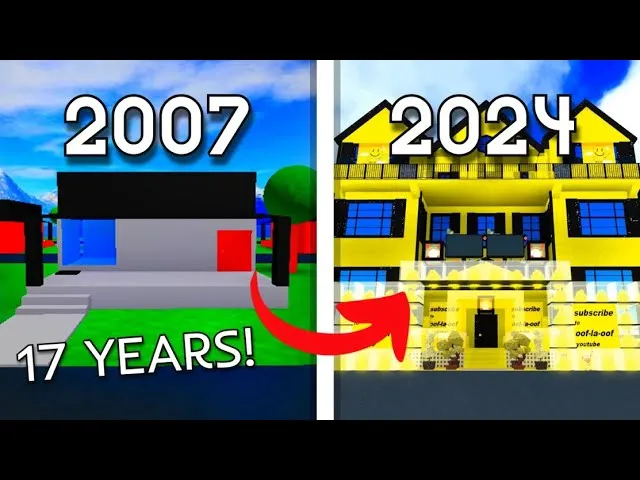
Every time a player moves up the housing ladder in Work at a Pizza Place, a short celebration cutscene plays on entry. That cutscene feels harmless the first time, but it stacks up across a long upgrade path and can turn a quick house swap into a real wait. This guide breaks down exactly when each Work at a Pizza Place house cutscene triggers, which gamepass removes the delay, and the smartest order to spend coins so the new-home moment stays fast.
When Each Work at a Pizza Place House Cutscene Actually Fires
The housing cutscene system is not random. Community testing on the official game page and the community wiki confirms the animation only triggers on the first entry after a new house purchase, then it stays quiet until the next purchase. Players who already own the target home will not see anything on revisit, which means the cutscene is really a one-time event per upgrade.
The Trigger Rules Behind the Animation
According to the official Work at a Pizza Place game page, the housing system was rebuilt over many years and the cutscene layer is part of the same update chain that introduced modern homes on March 4, 2022. Three concrete rules govern the trigger:
-
First load only — walk into a freshly bought house and the cutscene plays once, from spawn to camera settle.
-
No cutscene on respawn — dying, leaving, or rejoining the game does not replay the animation as long as ownership stays the same.
-
No cutscene on redecorate — buying new furniture or wall items inside an owned house uses a different short popup, not the full-screen house cutscene.
Where the Cutscene Hits Hardest
Players notice the delay most when they bounce between roles. A clerk who works Cashier, then Cook, then Delivery across a long shift will teleport back home automatically on respawn, which can stack several cutscene seconds on top of the regular load time. Older classic homes, the Mansion, and the Estate each run their own variant, so the timer never feels identical from one purchase to the next.
| House Tier | Cutscene Length (approx.) | Can It Be Skipped? | Notes |
|---|---|---|---|
| Classic Starter | ~3 seconds | Yes (skip button) | One-time only per purchase |
| Classic Mid-tier | ~4 seconds | Yes (skip button) | Camera pan covers the lot |
| Classic Large | ~5 seconds | Yes (skip button) | Slowest of the classic line |
| Mansion | ~6 seconds | Yes (skip button) | Includes a sweeping flyover |
| Estate | ~7 seconds | Yes (skip gamepass) | The longest by community report |
| Modern Tiny | ~3 seconds | Yes (skip button) | Faster entry than classic |
| Modern Small | ~4 seconds | Yes (skip button) | Includes the small garage stub |
| Modern Small + Garage | ~5 seconds | Yes (skip button) | Last modern home added to the line |
The Gamepass That Removes the Work at a Pizza Place House Skip Wait
The standard in-game skip button is enough for most players, but it still forces a click. The dedicated Work at a Pizza Place house skip gamepass eliminates the cutscene entirely, which matters for speedrunners, content creators, and anyone who likes to swap houses while testing furniture layouts.
What the Gamepass Actually Does
Community reports on the Work at a Pizza Place house wiki describe the gamepass as a global toggle that suppresses every housing cutscene variant, including the Estate and the Modern line. It does not change coin prices, door placement, or item spawns. It only changes the entry animation.
Key facts about the gamepass:
-
One-time Robux purchase — covers every house you own today and every house you buy later.
-
No per-house toggle — the cutscene is either on for all homes or off for all homes, so partial skipping is not supported as of the current build.
-
No refund path — once bought, the gamepass stays on the account permanently and does not convert back to Robux.
-
Works across modern and classic lines — the modern homes added in 2022 also respect the toggle.
When the Gamepass Pays Off
For a casual player who upgrades once a month, the free skip button is plenty. For a player who runs a housing tour channel, or who rerolls interior layouts by buying and reselling furniture, the saved seconds add up fast. A 6-second cutscene hit twenty times a day is two full minutes of pure waiting, and the gamepass wipes that out on day one.
| Player Profile | Recommended Choice | Reason |
|---|---|---|
| New player, first house only | Free skip button | No need to spend Robux yet |
| Player buying 2-3 houses total | Free skip button | Cutscenes are rare |
| Player upgrading through classic line | Gamepass | Hit 5+ cutscenes in a single upgrade path |
| Player collecting all classic + modern | Gamepass | Triggers every few weeks |
| Content creator or speedrunner | Gamepass | Saves time and avoids retake mistakes |
The Best House to Buy First in Work at a Pizza Place
Picking the right Work at a Pizza Place which house to buy first sets the tone for the entire coin economy. The classic line climbs in cost from the basic starter to the Estate, and the Modern line is gated behind the Estate itself, so the first purchase decision ripples into every later move.
The Classic Tier in Plain Numbers
The community wiki lists the classic houses as a stepped ladder. Coin costs climb fast once the Mansion enters the picture, and the Estate sits at the very top of the classic chain. The numbers below are drawn from player reports and the wiki snapshot, and they are stable enough to use as a planning baseline.
| Classic House | Approx. Coin Cost | Useful For | Cutscene Rank |
|---|---|---|---|
| Starter | Lowest | First-time players, basic storage | Shortest |
| Mid-tier | 3-4x starter | Slightly more room, one extra wall slot | Short |
| Large | 8-10x starter | Two-floor layout, more furniture room | Medium |
| Mansion | Very high | Full multi-room setup, prep space | Long |
| Estate | Top of classic line | Required gate to modern homes | Longest |
Why the First Choice Should Be the Mid-Tier
Most new clerks make the mistake of grinding straight for the most expensive home they can see. Community testing suggests a smarter first move is the mid-tier classic house, because it unlocks enough wall and floor space to comfortably store early-game furniture without locking the player out of later choices. The first purchase also trains the player to value the coin-per-square-foot ratio, which becomes a real factor when the Mansion and Estate enter the budget.
Players who want the full modern-home experience later should still plan their first pick around coin efficiency rather than aesthetics. Saving the biggest splurge for the Estate makes the entire chain feel like a steady climb instead of a frustrating grind. The complete house upgrades list breaks down every step in this ladder in more detail.
House Upgrade Order That Minimizes Cutscene Friction
The most efficient Work at a Pizza Place house upgrade order is not the one that looks best in a screenshot. It is the one that respects the modern-home gate, balances coin burn against income, and times each purchase so the cutscene pop never gets in the way of an active work shift.
The Three-Phase Upgrade Path
Players who follow a steady three-phase rhythm tend to upgrade with the least friction. Phase one covers the early classic homes, phase two handles the high-cost classics, and phase three unlocks the modern line. Each phase can take a different number of shifts depending on whether the player buys coins with Robux or earns them through work.
| Phase | Houses Included | Coin Strategy | Cutscene Frequency |
|---|---|---|---|
| Phase 1 (early) | Starter → Mid-tier | Pure shift income | 1-2 cutscenes |
| Phase 2 (mid) | Mid-tier → Large → Mansion | Shift income + light Robux top-up | 2-3 cutscenes |
| Phase 3 (late) | Mansion → Estate → Modern line | Heavy farming or coin purchase | 3-5 cutscenes |
Spacing the Purchases Around Real Shifts
A common mistake is buying a new home mid-shift. When the player respawns, the cutscene plays right as orders are piling up, and the team loses a slot for several seconds. Community guides recommend waiting until the end of a long shift, after the work period payout, so the cutscene fires during a natural lull.
The Work at a Pizza Place modern houses guide goes deeper on phase three, including the small-with-garage variant that closes out the modern line. Pairing that guide with a planned cutscene schedule keeps the upgrade path feeling smooth instead of disruptive.
Is the Estate Worth It in Work at a Pizza Place
The Estate is the most common coin sink in the entire game, and the question of whether Work at a Pizza Place is the estate worth it comes up in nearly every housing thread. The honest answer depends on what the player values: visual status, modern access, or raw coin efficiency.
What the Estate Unlocks
According to the modern houses wiki entry, the Estate is the gate to every modern home. Without it, the modern line stays locked regardless of how many coins the player has saved. This single fact changes the value calculation for any player who plans to collect every house in the game.
-
Modern Tiny — entry-level modern home, smaller than the Estate but with cleaner lines.
-
Modern Small — adds a real interior layout, useful for furniture collectors.
-
Modern Small with Garage — the most recent modern addition, includes a vehicle slot on the lot.
When the Estate Is Worth Every Coin
The Estate earns its price tag in three situations. First, when the player wants the modern line and has no shortcut. Second, when the player is part of a housing tour community and needs the visual flex to keep up with peers. Third, when the player plans to use the Estate as the staging ground for a furniture business inside the game, because the larger lot accepts more spawn points.
When the Estate Is a Coin Trap
For solo players who only need a single comfortable home, the Estate is overkill. The mid-tier or Large classic house offers enough space for almost any furniture loadout, and the leftover coins can be redirected into a gamepass or a better role tool instead. Spending the full Estate amount on cosmetics is a valid choice, but the player should be aware that the modern line stays locked without it.
| Player Goal | Estate Worth It? | Better Alternative |
|---|---|---|
| Collect every house | Yes | None — it is the required gate |
| Casual single home | No | Mid-tier or Large classic |
| Furniture business hub | Yes | Combine with skip gamepass for fast re-entry |
| Modern line access only | Sometimes | Skip Estate if modern homes are not appealing |
For a deeper comparison with the other Robux-spending paths, the off-sale gamepasses guide lays out where the Estate fits in the broader spending order.
Work at a Pizza Place House Cutscene: Final Takeaways
The cutscene system is small but real, and it shapes the feel of every house upgrade. Free skip buttons cover most players, the dedicated gamepass covers the rest, and the upgrade order decides how often the animation actually fires. Picking the mid-tier classic as the first home, spacing purchases around real shifts, and treating the Estate as a deliberate goal instead of an impulse buy keeps the entire chain smooth from the first cutscene to the last.
Players who care about the modern line should treat the Estate as a milestone rather than a flex, and players who only need one comfortable home should stop at the Large classic and spend the difference on tools that earn coins back faster. The cutscene itself is a few seconds either way, but the planning around it is what separates a clean upgrade path from a coin-draining grind.
Frequently Asked Questions
How long is every Work at a Pizza Place house cutscene?
The shortest cutscenes run about 3 seconds on the starter classic home and the modern tiny, while the Estate cutscene is the longest at roughly 7 seconds based on player reports. The Mansion sits in the middle at around 6 seconds, and the Large classic comes in near 5 seconds. The free skip button appears within the first second on every house.
Does the house skip gamepass remove every Work at a Pizza Place house cutscene?
Yes, the gamepass acts as a global toggle that suppresses every housing cutscene across the classic and modern lines, including the Estate and the small-with-garage modern home. It does not affect furniture popup animations or respawn timers, only the house entry cutscene itself. Once bought, the gamepass stays on the account permanently with no per-house opt-out.
What is the smartest Work at a Pizza Place house to buy first?
Community guides and the housing wiki both lean toward the mid-tier classic house for the first purchase, because it offers enough floor and wall space for early furniture while leaving enough coins in the budget for later upgrades. The starter house is fine for absolute beginners, but most active players outgrow it within a few shifts. Saving the biggest spend for the Estate keeps the entire ladder feeling manageable.
What is the best house upgrade order for new clerks?
The cleanest order is starter → mid-tier → large → mansion → estate → modern tiny → modern small → modern small with garage. Spacing each purchase to the end of a long work shift prevents the cutscene from disrupting an active pizza run. Players who want modern access should plan the Estate as a deliberate milestone, not an impulse buy.
Is the Estate worth the coin cost in Work at a Pizza Place?
The Estate is worth it for any player who plans to collect every home in the game, because it is the only gate to the modern line added in March 2022. It is also a strong pick for housing-tour creators and furniture-business hubs that need the larger lot. For casual players who only need a single comfortable home, the mid-tier or Large classic delivers nearly the same utility at a fraction of the cost.