
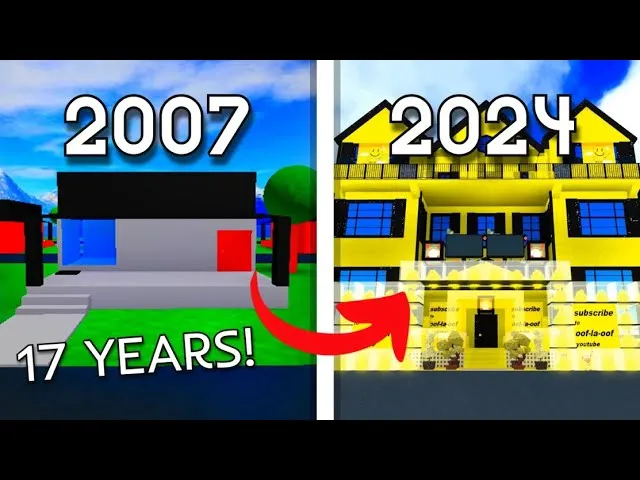
Your house is the one space in Work at a Pizza Place that actually feels like yours, and the right Work at a Pizza Place house design ideas can turn a cramped Shack into a destination other players line up to visit. Between the paint bucket, layout grids, color theory and the teleport-to-home command, there is a real creative loop to master — and this guide maps it out from first apartment to the Estate tier. We will walk paint bucket mechanics, color palettes that survive Roblox lighting, party-friendly layouts and the cheapest cosmetic upgrades you can stack while earning coins at the pizza pipeline.
The House Tier Roadmap and Why Order Matters
Before any paint bucket or furniture swap matters, the shell you are decorating has to be the right tier. Every tier unlocks more wall, more floor, and more rooms, which means every earlier choice compounds. Players who skip ahead and blow coins on furniture for a Shack usually regret it when the next tier drops and the rug dimensions no longer line up.
| Tier | Approx. Coin Cost | Wall Space | Best Time to Commit |
|---|---|---|---|
| Shack | Free (starter) | Minimal, one open room | Decorate with paint only |
| Cabin | Low | Two rooms | Add first furniture pieces |
| House | Mid | Three rooms | Full color theme |
| Villa | High | Three rooms + yard access | Start furniture stacking |
| Mansion | Premium | Three floors + basement | Premium paint + neon themes |
| Modern / Estate | Highest (600K+ for Estate) | Multi-zone with garage | Designer-mode finishing |
The classic housing line was joined by Modern Houses in March 2022, which adds a tiny, small and small-with-garage progression layered on top of the classic Estate. According to the community wiki entry on Modern Houses, you must own the Estate first before the modern line even appears in the catalog, which is why a smart Work at a Pizza Place house design ideas plan always front-loads the Estate purchase.
Order matters for two reasons. First, every tier doubles or triples wall count, and paint buckets are a per-wall cost. Second, furniture pieces that look great in a Cabin can look absurd in a Mansion where the ceiling is three times higher. Hold paint choices to two-tone starter themes until you reach House tier, and only invest in a full custom palette at Villa or above.
Visual Progression of a House Tier
The jump from Shack to Mansion is not just bigger rooms. The Mansion tier adds a true three-story vertical layout, a back garden zone, and a basement that supports darker lighting effects. Community testing reported by players suggests the Mansion basement is one of the few interior spaces where deep navy and charcoal paint colors actually look saturated rather than washed out, which matters for any Work at a Pizza Place house colors plan built around moody palettes.
The Modern House line changes the geometry entirely. Instead of rectangular rooms with pitched roofs, you get flat-roofed cubes, open floor plates, and (at the small-with-garage stage) an attached vehicle bay. That garage is a hard prerequisite for vehicle owners, so a Work at a Pizza Place house design ideas plan that mixes furniture with cars needs to land here.
The Paint Bucket System and Color Combinations
Paint buckets are the cheapest cosmetic tool in the game and the foundation of every house design. The Work at a Pizza Place paint bucket guide is short on rules but dense on tradeoffs: every wall, ceiling, floor, trim, door, window and accent can be individually colored, but each click costs coins, and the picker resets if you leave the house. Plan before you commit.
Reading the Paint Bucket Interface
The bucket icon appears in your inventory when you are inside your own home. Left-click cycles through walls, right-click (or the secondary button) cycles through trim, doors and window frames. The color palette in Work at a Pizza Place is a fixed 48-swatch grid, plus the premium palette that costs Robux. There is no freeform hex picker, which is why the Work at a Pizza Place house colors question always comes back to swatch matching rather than custom RGB.
Each surface type — wall, floor, ceiling — has its own category. You can save up to three custom swatches per surface, and the slots do not cost extra, so always set them up before you start painting. A common beginner mistake is to spend coins painting with default swatches and only realize the palette is wrong after the bucket resets.
Color Theory That Survives Roblox Lighting
Roblox lighting is harsh, especially in Work at a Pizza Place houses where the DirectionalLight angle changes between the lobby spawn and indoor work zones, so bright pastels turn neon, and deep colors turn muddy once the in-game sun angle shifts. The palettes that hold up best, based on community testing reported by players across multiple Roblox game wikis, are restricted to a tight set of five pre-tested combinations drawn directly from the paint bucket catalog at the supply crate near the house door.
| Palette Name | Wall | Floor | Ceiling | Trim | Mood |
|---|---|---|---|---|---|
| Coastal | Soft white | Light oak | Cream | Driftwood gray | Bright, airy |
| Mid-century | Mustard | Walnut | Off-white | Black | Warm, retro |
| Loft | Charcoal | Polished concrete | Exposed white | Brass | Moody, modern |
| Cottage | Sage | Honey pine | Cream | Cream | Cozy, natural |
| Neon Pop | Lavender | Black | Black | Hot pink | Party-ready |
Pick one palette per house and treat it as a hard rule, not a suggestion — mixing a Coastal wall set with a Loft floor forces the in-game DirectionalLight to bounce off two different specular values at once, which is why screenshots from the same house end up with blown-out whites on the upper walls and crushed blacks under the dining table. If you genuinely want a second look, save the alternative palette for the backyard or garage zones only, since those outdoor sub-areas use a separate sun angle and ambient term, letting the same house read as two distinct spaces without breaking the lighting math.
Where the Paint Bucket Is Worth Spending
Not every surface is worth painting. Walls and the main floor carry 80% of the visual weight, so spend first on the largest contiguous wall and the floor of the room you spend the most time in. Doors, window frames and ceiling trim are accent only — paint them last, and only if the palette demands a pop color.
Two cost-saving tricks experienced players rely on skip the Paint Bucket entirely for the ceiling and trim, then repaint later in the design pass only if the layout actually needs contrast. Since each swatch cost scales with coverage, leaving roughly 15-20% of wall-equivalent surface area unpainted during your first pass lets you redirect the saved budget into higher-saturation main-room colors or a bolder front-door accent that teleports a guest's eye the moment they spawn into the lobby.
-
Repaint the ceiling last. Most palettes only need a flat white or cream ceiling to bounce light, and white is one of the cheaper swatches.
-
Use trim contrast sparingly. If your walls and trim share a similar warm tone, a single accent wall in a deeper shade will carry more visual weight than fully trimmed doorways.
Furniture, Layout Grids and the 8x8 Rule
Furniture is where Work at a Pizza Place house design ideas turn from a paint project into a real interior plan. The catalog pulls items from the Large Catalog and The Dump, and you earn coins by completing orders at the pizza pipeline so the money side of furniture is tightly bound to gameplay. Players who want a deeper breakdown of catalog navigation can cross-reference the Work at a Pizza Place furniture placement guide which covers the second house slot and best furniture picks per tier.
The 8x8 Footprint Grid
Every house in the classic line is built on an internal grid where furniture snaps to roughly 8x8 studs. Plan your layout by counting grid squares rather than visual estimation. A typical Shack fits a 2x3 grid of major pieces, a Cabin fits 3x4, a House fits 4x4, and a Villa or above fits 4x5 with vertical stacking.
| Tier | Usable Grid | Recommended Anchor Pieces |
|---|---|---|
| Shack | 2x3 | Bed, rug, lamp |
| Cabin | 3x4 | Bed, sofa, table, TV |
| House | 4x4 | Full living set, kitchen nook, reading chair |
| Villa | 4x5 | Plus outdoor patio set |
| Mansion | 4x5 x 3 floors | Plus basement lounge |
| Modern | Open plan | Island + bar + sectional |
A solid Work at a Pizza Place house design ideas plan always anchors the room around one large piece (sofa, bed, sectional) and then orients the secondary pieces around a clear traffic line. Avoid placing furniture in the center of the grid with no pathway — players visiting your house will try to walk through the design.
Room-by-Room Anchor Strategy
The classic houses in Work at a Pizza Place give you three logical rooms — a bedroom, a living area, and a kitchen or dining space — and treating them as three separate design problems is the fastest way to avoid the muddy, "everything-is-one-color" look that plagues most starter builds. Because each room receives its own Paint Bucket pass and the walls reset per plot, you can commit to bold choices (a saturated teal bedroom, a warm cream living area) without worrying that a single accent will bleed across the whole house. Run the room-by-room Paint Bucket before placing any premium furniture, since the bucket only paints empty wall tiles and won't overwrite items you've already spawned.
-
Bedroom — Anchor on the bed first, then add a side table and a rug that extends under the front two legs. Lighting comes from a single warm lamp, never overhead.
-
Living area — Anchor on the sofa or sectional, then orient a TV and a coffee table within arm's reach. The rug defines the conversation zone.
-
Kitchen / dining — Anchor on the dining table, then add a counter piece against the back wall. The Neon Pop palette shines here because kitchens tolerate the most accent color.
Mansion owners get a fourth zone — the basement — and it is the natural home for entertainment pieces, gaming setups, or a dedicated music room. Treat the basement as a different palette from the main floors so the descent feels intentional.
Hosting a Party at Your House
The Work at a Pizza Place party at my house flow is built into the game and is one of the strongest reasons to invest in design. Other players can teleport to your home through the social menu, and a well-designed house pulls a steady stream of visitors that other players often share screenshots of on social media.
According to the Work at a Pizza Place wiki page on House, the house is a residential interior where players can decorate, customize their living space, and use it as a personal area to rest between shifts at the pizza place.
Triggering the Party Flow
To host, you do not need a special pass. You open your player list, select Invite to House, and the invited player accepts through a teleport prompt. There is no hard cap on simultaneous visitors in your own home, although performance drops once you exceed roughly eight players in a small interior. The classic line of houses handles a party of six comfortably; the Modern House line and the Mansion handle ten to twelve before the framerate starts to dip.
Designing for Visitor Flow
In a game like Work at a Pizza Place, screenshots rarely capture how a six-player party actually moves through a house, so the layout that looks pretty in your camera roll often becomes a wall-clipping headache when the lobby fills up. The best party-ready builds follow three rules—anchored on a 1-grid entrance clearance, two sofa clusters instead of one mega-sectional, and a lamp in every corner dead zone—that keep traffic flowing from the door to the backyard spillover without any one tile becoming a permanent foot traffic jam.
| Rule | Why It Matters | Implementation |
|---|---|---|
| Keep a 1-grid-wide path | Avoids bottleneck at the door | Do not place furniture within one grid of the entrance |
| Cluster seating in zones | Lets small groups form | Two sofa clusters beat one giant sectional |
| Light the corners | Players gather where the lighting is | Add a lamp in every dead zone |
If you want to go further, set up an outdoor zone in the Villa or Mansion backyard and use it as the spillover space. Backyards are also where a bar cart or a fire pit carries the most visual weight, so it is a smart coin sink if you host often.
Party-Proof Color Palettes
The party-ready look is its own aesthetic. The community tends to favor palettes that read well under both daylight and indoor lighting because parties often run across Roblox day-night cycles. Neon Pop (lavender walls, hot pink trim, black floor) and Loft (charcoal walls, polished concrete, brass trim) are the two most replicated party looks reported by players.
For owners who want a softer party feel, the Coastal palette (soft white walls, light oak floor, driftwood trim) photographs beautifully and keeps the room from feeling cramped. It is the most forgiving palette for first-time decorators because there is no accent color to misalign.
Teleporting Home, the Garage Pass and Modern House Logistics
Every Work at a Pizza Place house design ideas plan eventually collides with the same logistical question: how do visitors get to your house, and how do you get back fast when you are mid-shift at the pizza pipeline? The answer is the teleport home command, and the supporting infrastructure is the garage pass for vehicle owners.
The Teleport Home Command
Work at a Pizza Place teleport home is a single command available from the player menu. It returns you to your own house from any location in the map, including mid-shift at the pizza place. There is a short cooldown (roughly 30 seconds, based on community testing reported by players) to prevent exploit loops, but in normal use it is effectively instant.
The teleport home command is also how visitors reach you. When you invite someone to your house, their client triggers the same teleport path. Make sure your entrance is clear and your palette is applied before you send the invite — the first impression happens the instant they load in.
The Garage Pass and Vehicle Owners
The classic houses (excluding the Mansion and Estate) require a separate garage pass before you can park a vehicle on the property. This is one of the most common blockers for new players, because the garage pass is a paid upgrade and the prompt to buy it only appears once you actually own a vehicle.
If your house plan includes cars, the Work at a Pizza Place VIP vehicles guide covers the kick-immunity and party-invite behavior tied to the VIP game pass. Most designers who want a clean garage shot skip the VIP pass and keep their visitor list limited, since a full VIP party inside a small garage is one of the worst frame-rate experiences in the game.
Modern House Logistics
The Modern House line is built around a garage-from-day-one model, which makes it the easiest tier to design for if your plan involves vehicles. According to the community wiki entry on Modern Houses, the progression goes tiny → small → small with garage, and only the final stage supports attached vehicle parking. Plan your furniture around the open-plan geometry of the modern line — bulky traditional pieces look out of place, while island counters, sectionals and bar stools look native.
If you intend to make the modern line your long-term home, the Estate is still a hard prerequisite. The Estate at 600,000 coins is the most expensive single unlock in the game, and most players reach it only after multiple weeks of consistent shift work. A practical Work at a Pizza Place house design ideas roadmap looks like:
| Phase | Goal | Coin Target |
|---|---|---|
| 1 | Reach Villa with a clean palette | 100K-150K |
| 2 | Save toward Estate unlock | 600K |
| 3 | Modernize into the Modern House line | 600K+ |
| 4 | Furnish the garage stage | Variable |
The deeper tier math and the prices of the two-story and three-story options sit in the Work at a Pizza Place mansion guide which also covers the backyard and basement upgrade costs in detail.
Budget Builds and Common Mistakes
Not every house has to be a 600K-coin dream project. The most loved designs reported by players are often budget builds that lean on paint over furniture. If you are saving for the next tier, treat the current home as a sketchbook rather than a finished room.
The 5,000-Coin Cabin Refresh
A full paint refresh on a Cabin runs roughly 2,000-3,000 coins for walls, floor and ceiling. Add one anchor furniture piece (a sofa or a bed) at around 1,500 coins and the room already reads as intentional. The remaining budget goes to a single rug and one lamp. This is the cheapest Work at a Pizza Place house design ideas setup that still photographs well.
Common Mistakes to Avoid
Five patterns show up again and again in player reports and community tours of well-built Work at a Pizza Place lots, and each one usually traces back to skipping the Paint Bucket, the Cria Color Pack, or the Sellaphone before laying out the 8x8 grid. Players who teleport home with an empty Sellaphone tend to dump raw Cottage, Cabin, and Shack frames next to each other, so the Lot Value rating stalls around Tier 1 even after several hours of oven work. Tour videos from the front page of the community Discord repeatedly show the same giveaway: a Loft living room with a Bakery kitchen visible through the wall, or a Party at my House setup where the balloons spawn inside a closed garage, which is why the garage pass check is the most common fix mentioned in shift screenshots.
-
Painting before measuring. Without the 8x8 grid in mind, accent walls land in the wrong spot and furniture covers the painted area.
-
Mixing palettes. A Cottage bedroom with a Loft kitchen looks broken even when each room is well executed.
-
Ignoring the ceiling. A flat white ceiling is the cheapest lighting fix in the game, and skipping it is the fastest way to make a room feel like a cave.
-
Over-furnishing the Shack. A Shack with a sectional and a dining table reads as cluttered, not cozy. Hold pieces until you reach Cabin.
-
Skipping the garage pass. Vehicle owners who forget the garage pass end up parking on the front lawn, which breaks every screenshot.
When to Spend Robux
Robux purchases are the only way to access the premium palette and the second house slot. The second slot is the single best Robux investment for serious designers, because it lets you keep one home as a showroom and the other as a workshop while you experiment with new palettes. A useful Work at a Pizza Place furniture placement guide companion read covers the second house slot mechanics in more depth.
Frequently Asked Questions
What is the cheapest way to refresh a Work at a Pizza Place house design?
Repaint walls, floor and ceiling with the same palette using the default swatches, which runs roughly 2,000-3,000 coins for a Cabin. Add one anchor furniture piece and the room reads as intentional without crossing 5,000 coins total.
How does the paint bucket actually work in Work at a Pizza Place?
The paint bucket is a per-surface tool. Left-click cycles through walls, the secondary button cycles through trim, doors and window frames. The palette is a fixed 48-swatch grid plus a Robux-only premium palette, and you can save three custom swatches per surface at no extra cost.
Can I host a party at my house without a game pass?
Yes, the Work at a Pizza Place party at my house flow is free. Open your player list, choose Invite to House, and the visitor accepts through a teleport prompt. The host is responsible for keeping the entrance path clear and the lighting on, since a cluttered house bottlenecks at the door within seconds.
How do I teleport home quickly during a shift?
The teleport home command sits in the player menu and returns you to your own house from any location on the map, including mid-shift at the pizza pipeline. There is a short cooldown of roughly 30 seconds, so plan around it if you are mid-order.
What is the best tier to start a serious design project?
The House tier is the sweet spot. It has enough wall and floor space for a real palette and a 4x4 furniture grid, while the Villa and above reward designers with the most flexibility. The Estate at 600K coins unlocks the Modern House line and is the long-term goal for most serious decorators.